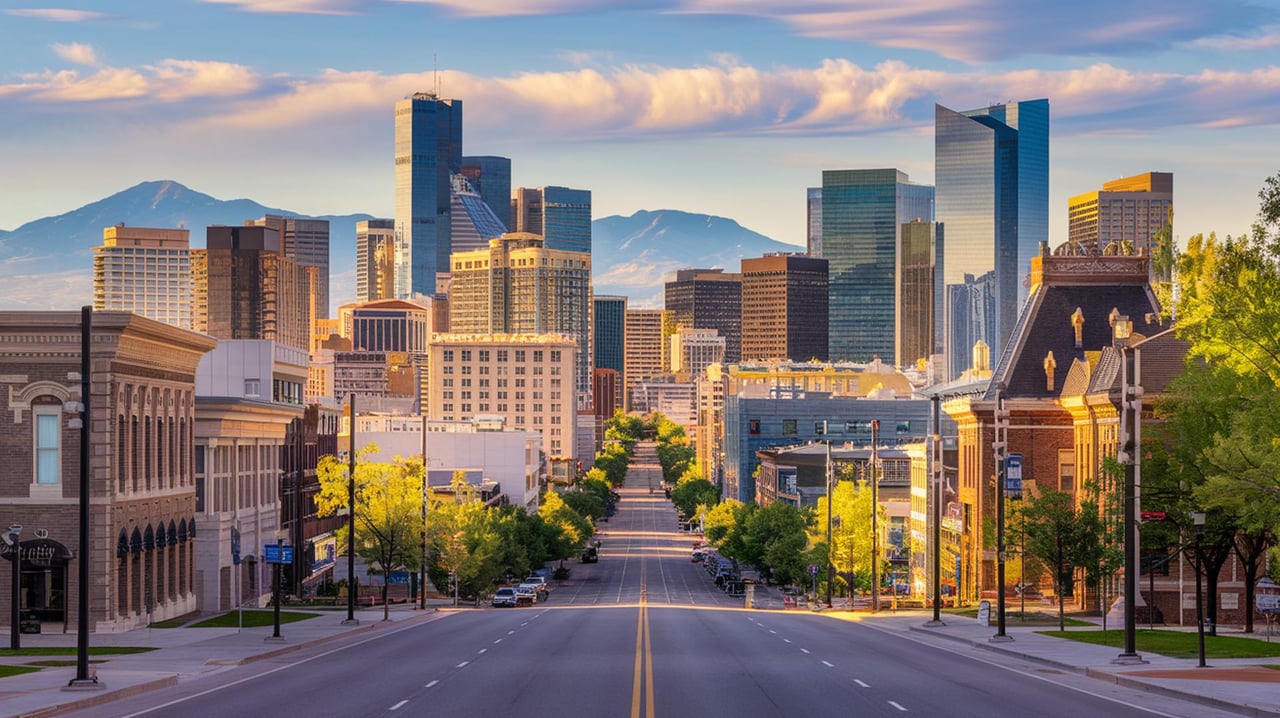
Downtown Denver, CO, is a vibrant hub of activity and growth, making it a focal point for real estate enthusiasts and investors alike. The area is known for its dynamic blend of modern skyscrapers, historic architecture, and a thriving cultural scene, all of which contribute to its appeal. As the real estate market in Downtown Denver continues to evolve, understanding the current trends and factors influencing this market is essential for anyone interested in buying or selling property in the area. From the influx of new developments to shifts in buyer preferences, several key elements are shaping the landscape of Downtown Denver’s real estate market.
The Rise of New Developments
Downtown Denver has witnessed a surge in new developments, with numerous residential and commercial projects underway. These developments are transforming the skyline and providing a range of options for potential buyers. High-rise condominiums and luxury apartments are particularly popular, offering modern amenities and stunning views of the city. The addition of mixed-use developments, which combine residential, retail, and office spaces, is also on the rise, catering to the demand for convenience and accessibility. This trend reflects the growing interest in urban living and the desire for properties that offer a live-work-play environment.
Shifts in Buyer Preferences
Buyer preferences in Downtown Denver are evolving, with an increasing emphasis on sustainability and smart home features. Many prospective homeowners are seeking properties that incorporate energy-efficient designs and environmentally friendly materials. Smart home technology, such as automated lighting and security systems, is also highly sought after, providing convenience and enhancing the living experience. These preferences are influencing the types of properties being developed and marketed, as developers aim to meet the demands of a tech-savvy and environmentally conscious clientele.
Impact of Interest Rates
Interest rates play a significant role in the real estate market, and Downtown Denver is no exception. Fluctuations in interest rates can affect buyer affordability and influence market activity. When interest rates are low, buyers have greater purchasing power, leading to increased demand for properties. Conversely, rising interest rates can slow down market activity as borrowing costs increase. Keeping an eye on interest rate trends is crucial for both buyers and sellers, as these rates can impact pricing strategies and the overall pace of transactions in the market.
The Role of Technology in Real Estate Transactions
Technology is revolutionizing the way real estate transactions are conducted in Downtown Denver. Virtual tours and online listings have become standard, allowing buyers to explore properties from the comfort of their homes. Real estate agents are leveraging digital platforms to connect with clients and streamline the buying and selling process. This technological shift not only enhances the efficiency of transactions but also broadens the reach of the market, attracting buyers from outside the region who can easily access property information and viewings online.
The Influence of Local Amenities
The abundance of local amenities in Downtown Denver is a significant draw for potential buyers. The area boasts a wide array of cultural attractions, including museums, theaters, and galleries, as well as a vibrant dining and nightlife scene. Proximity to parks and recreational facilities adds to the appeal, offering residents ample opportunities for outdoor activities. These amenities contribute to the desirability of the area and can positively impact property values, as buyers are often willing to pay a premium for convenient access to such attractions.
The Importance of Walkability
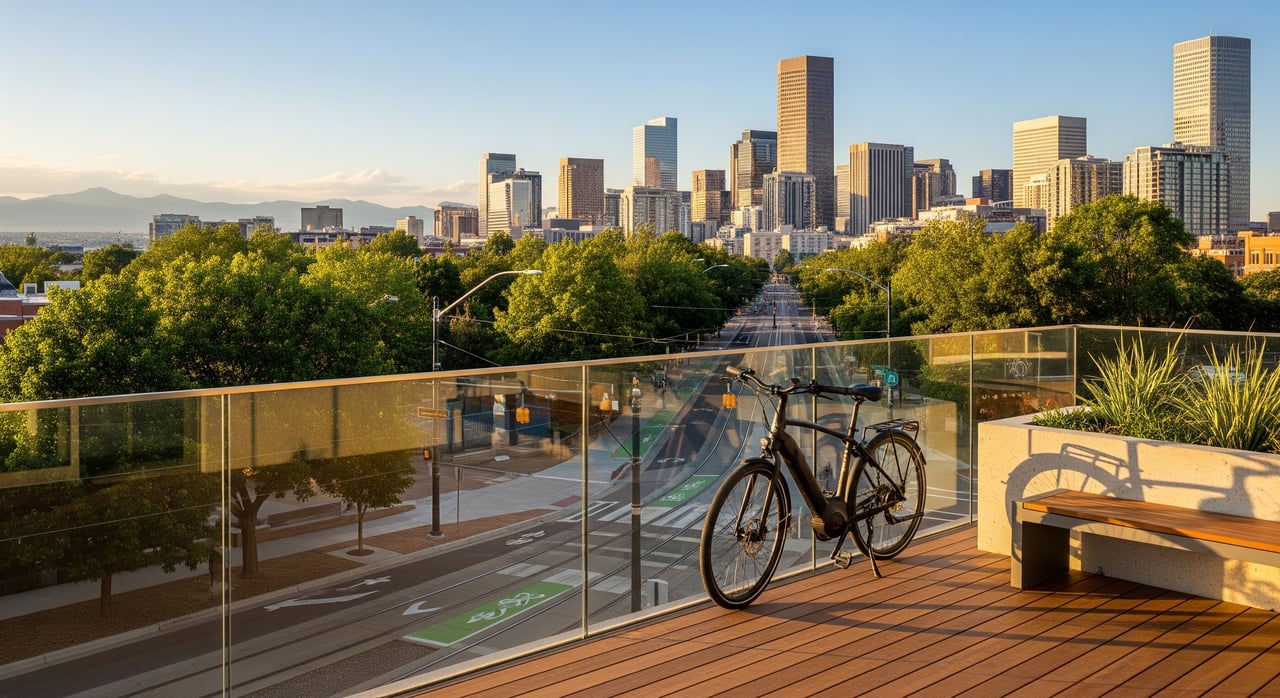
Walkability is a key factor for many buyers in Downtown Denver, with a growing preference for neighborhoods that offer easy access to shops, restaurants, and public transportation. The ability to walk to work or entertainment venues is highly valued, particularly among younger buyers and professionals. This trend is influencing the development of pedestrian-friendly infrastructure and the revitalization of certain areas to enhance walkability. Properties located in walkable neighborhoods tend to command higher prices, reflecting the demand for convenience and accessibility.
The Role of Public Transportation
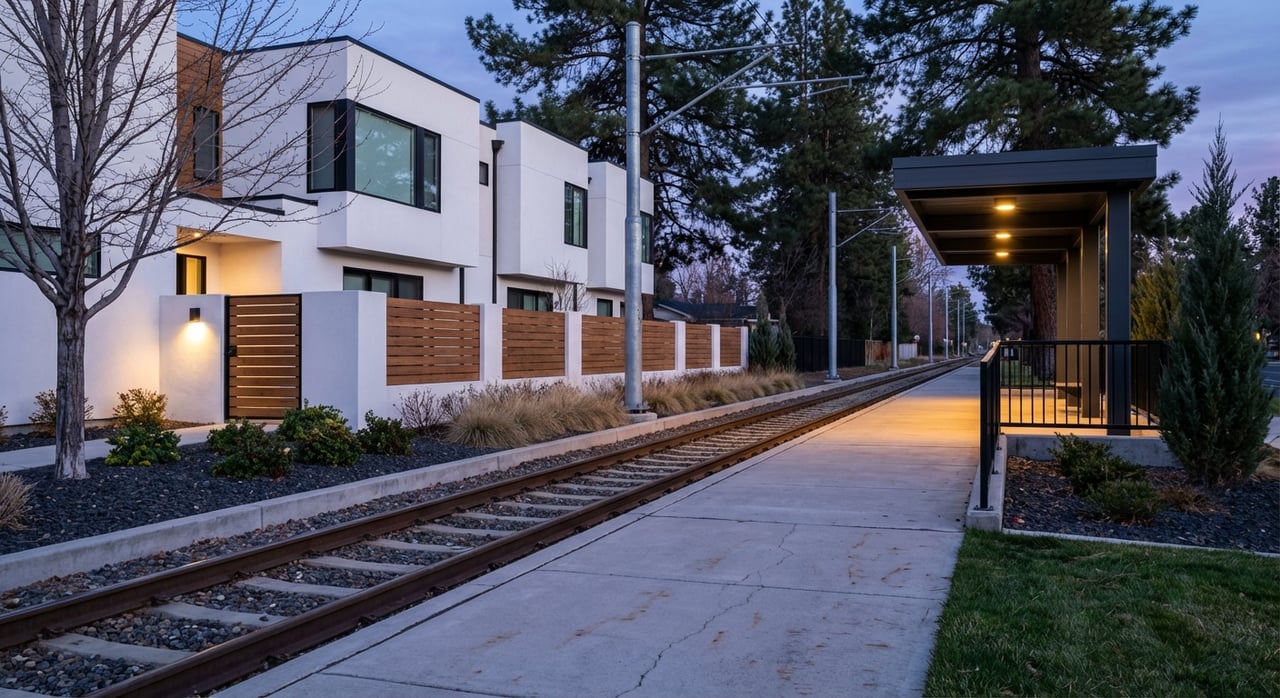
Public transportation is an integral part of Downtown Denver’s appeal, providing residents with convenient and efficient travel options. The city’s extensive light rail and bus systems connect the downtown area with surrounding neighborhoods and suburbs, making it an attractive option for commuters. Access to reliable public transportation can significantly influence property values, as buyers prioritize locations that offer easy commuting options. This connectivity also supports the growth of the real estate market by attracting a diverse range of buyers who value accessibility.
The Impact of Economic Growth
Economic growth in Denver has a direct impact on the real estate market, with job creation and business expansion driving demand for housing. The city’s strong economy, bolstered by industries such as technology, healthcare, and finance, attracts professionals seeking employment opportunities and a high quality of life. This influx of new residents fuels demand for residential properties, contributing to the vibrancy of the real estate market. Economic stability and growth prospects are key considerations for buyers and investors evaluating the potential for property appreciation.
The Appeal of Historic Properties
Historic properties in Downtown Denver hold a unique appeal for buyers interested in preserving the city’s architectural heritage. These properties often feature distinctive design elements and craftsmanship that are highly valued by enthusiasts of historic architecture. The preservation and restoration of historic buildings contribute to the character and charm of the area, attracting buyers who appreciate the blend of old and new. Investing in historic properties can also offer financial incentives, as there may be tax benefits or grants available for restoration efforts.
Future Market Trends
Looking ahead, several trends are likely to shape the future of the Downtown Denver real estate market. Continued urbanization and population growth are expected to drive demand for housing, while sustainability and smart technology will remain key considerations for buyers. The development of new infrastructure and public transportation projects will further enhance the area’s connectivity and appeal. As the market evolves, staying informed about these trends and their potential impact on property values is essential for making informed real estate decisions.
Discover Your Next Home in Downtown Denver
The Downtown Denver real estate market is buzzing with opportunities, whether you're looking to buy, sell, or invest. With its vibrant community and dynamic growth, now is a great time to explore your options in this thriving area. If you're ready to take the next step, Jesse Dixon is here to guide you through the process with expert advice and personalized service. Contact Jesse today to find your perfect home in Downtown Denver, CO!