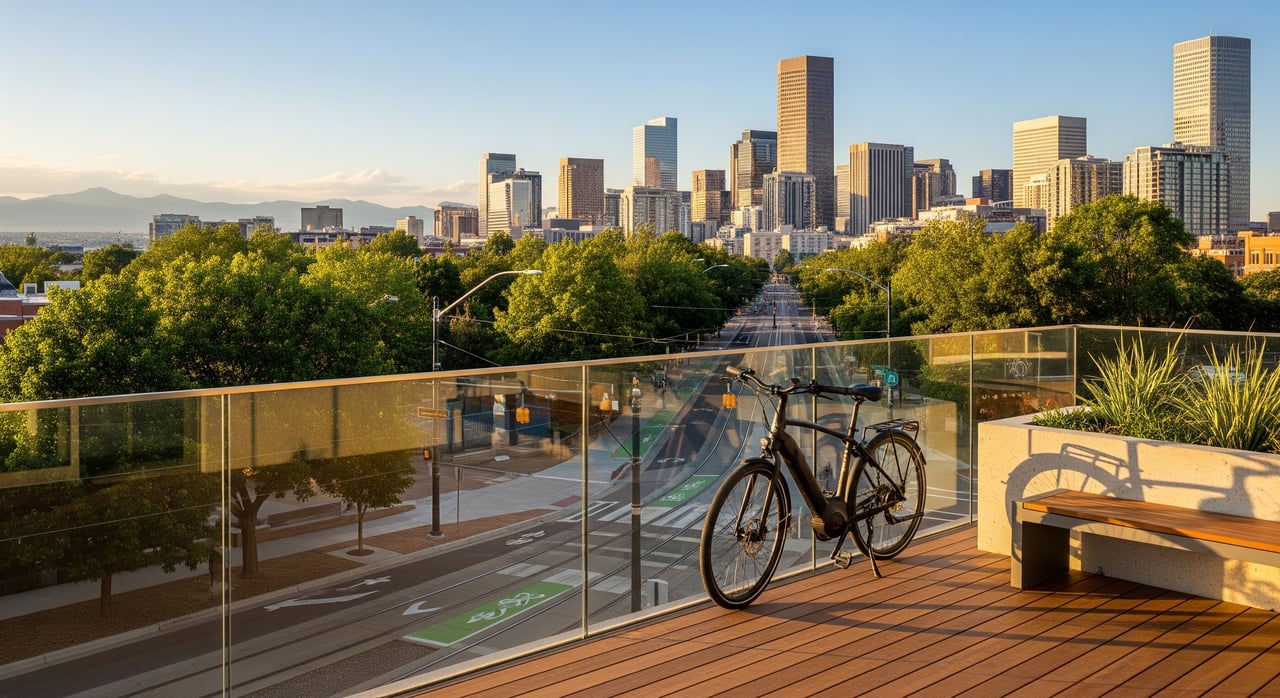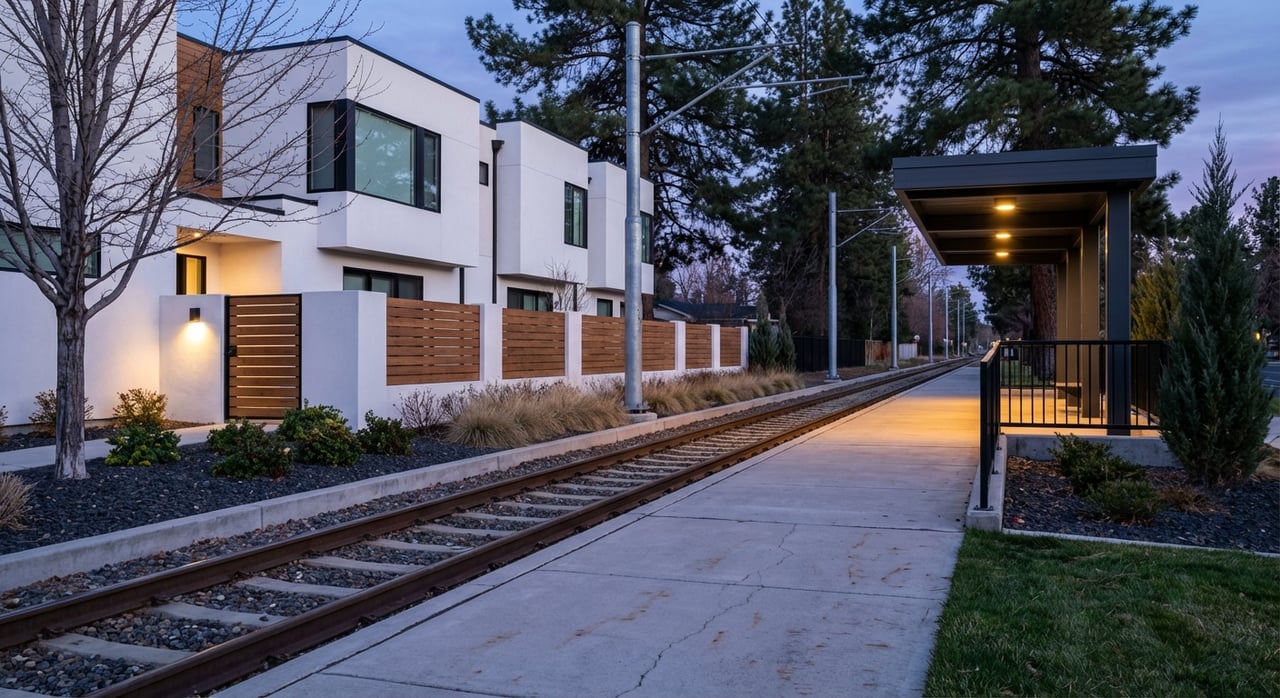
Want a shorter, easier commute without giving up Lakewood’s neighborhood feel? If light rail is high on your wish list, the RTD W Line is your best friend. You can park and ride, live steps from a station with coffee and art nearby, or buy a quieter single-family home and still walk to the train. This guide shows you where to look, what tradeoffs to expect, and how to match your lifestyle to the right station. Let’s dive in.
Know the W Line
The W Line runs from Denver’s Union Station west through Lakewood to the Jefferson County Government Center in Golden. It is Lakewood’s primary rail option for downtown access and cross-town connections. RTD’s W Line facts page notes frequent trains between downtown and Federal Center during peak periods, with service every 7.5 minutes at the busiest times and every 15 minutes off-peak. West of Federal Center, service typically runs every 15 minutes.
If you plan to ride several times a week, start by choosing your access style. Do you want guaranteed parking and a quick drive to a station? Do you want to walk to restaurants and galleries before hopping on a train? Or do you want a quieter residential block with an easy stroll to the platform?
Choose your access style
Park and ride daily
If you expect to drive to the train most days, prioritize stations with large Park-n-Ride lots. Lakewood•Wadsworth and Federal Center each offer around 1,000 parking spaces, plus useful bus connections. Oak Station has a smaller lot with roughly 200 spaces. Check RTD’s parking rules for current fees and multi-day policies.
Walkable, mixed-use living
If you want to live near coffee, art, and local dining, focus on Lamar Station in Lakewood’s 40 West Arts District and the blocks around Oak Station. The 40 West area features galleries and placemaking efforts highlighted by the 40 West Arts District. At Oak, you will find newer multifamily options, including projects marketed as transit-adjacent like WestLink at Oak Station. These stops favor pedestrians and cyclists over large parking structures.
Quieter residential near rail
If you want a single-family home on calmer streets and still prefer to walk or bike to the train, look near Garrison Station. The area is primarily residential with smaller-scale multifamily nearby and fewer retail hubs. Red Rocks College Station serves a smaller, more isolated pocket with limited immediate amenities and no Park-n-Ride, so it is not the usual first choice when easy access is the top priority.
Station-by-station guide
Lakewood•Wadsworth
This elevated station sits over Wadsworth Boulevard and is built for commuters who drive. The facility includes a large Park-n-Ride garage with about 1,000 spaces and useful bus links along the corridor, according to Wikipedia’s station profile. The immediate area is more oriented to automotive and retail uses than strolling to daily errands, but downtown access by rail is straightforward. Nearby housing is a mix of older single-family neighborhoods within a short drive and multifamily options within a mile or so.
What it means for you: You can keep your car routine simple with reliable parking and quick access to frequent trains. If you want a highly walkable retail scene right at the platform, this is not the strongest fit, but it is one of the most dependable park-and-ride choices.
Federal Center
Federal Center is a major transfer point with roughly 1,000 parking spaces, a large bus plaza, and regional connections, making it one of the busier W Line hubs in pre-pandemic activity reports cited on Wikipedia. The surroundings include the federal campus and nearby employment centers rather than a dense retail core. Suburban single-family neighborhoods and several apartment communities are a short drive away.
What it means for you: If you want frequent peak service, strong bus connectivity, and dependable parking, Federal Center checks the boxes. It is a logical pick for a drive-and-ride routine, including for those working near the federal campus or nearby medical offices.
Oak Station
Oak is an at-grade stop near West Colfax with a Park-n-Ride around 200 spaces and bus links, per RTD’s station page. The area blends light industrial and commercial uses with newer multifamily infill identified on Wikipedia. Notably, WestLink at Oak Station is marketed as adjacent to the stop, reinforcing the walk-up appeal for renters and buyers who want modern amenities and quick rail access.
What it means for you: If you want a genuine walk to the platform and easy access to Colfax retail, Oak delivers. Expect a more mixed-use, evolving feel rather than a fully built-out main street. The smaller lot means you can still park on occasion, but daily drivers should compare it to Wadsworth or Federal Center.
Lamar Station
Lamar is a walk-up station within Lakewood’s 40 West Arts District. It is designed for pedestrians and cyclists rather than all-day parkers, with galleries, breweries, and retail nearby as noted on Wikipedia. Community and retail anchors in the area include Lamar Station Plaza. The district has seen targeted transit-oriented development, including smaller and mid-rise apartments, which align with ULI’s coverage of inner-ring revitalization and walkable mixed-use projects.
What it means for you: If you prefer to leave the car at home and enjoy local dining and arts with short rail access to Denver, Lamar is a strong pick. Riders who need guaranteed parking may find it less convenient.
Garrison Station
Garrison is an at-grade neighborhood stop with no major Park-n-Ride or bus hub, per Wikipedia. The surroundings are primarily residential with local parks and quieter streets. Housing skews to single-family homes and lower-rise multifamily.
What it means for you: If your goal is a house with a yard and an easy walk or bike to the train, Garrison fits well. You will trade off immediate retail variety for a calmer residential setting.
Red Rocks College Station
Red Rocks College is an at-grade stop named for Red Rocks Community College but sits about half a mile from campus with no Park-n-Ride, according to Wikipedia. The area has limited retail and fewer pedestrian links than other Lakewood stations. Local coverage has described it as relatively isolated from daily destinations.
What it means for you: Consider this station if you already live within a convenient walk and are comfortable with the limited amenities. If your top priority is easy access with parking or a lively, walkable scene, other Lakewood stops usually work better.
Nearby options outside city limits
Some Lakewood residents use stations just across municipal boundaries when they are closer to home. For example, Decatur•Federal in Denver offers a large parking area and strong transit connections. Proximity often matters more than the city line when planning your daily ride.
Commute planning tips
Frequency and timing
Between downtown and Federal Center, the W Line runs up to every 7.5 minutes during peak periods and about every 15 minutes off-peak. West of Federal Center, service generally runs every 15 minutes. Check RTD’s W Line facts page for current schedules.
Parking rules and fees
Policies vary by station. In-district vehicles often park free for the first 24 hours at paid facilities, and longer stays may require a fee. Review RTD’s parking rules if you plan to leave a car for more than a day.
Bikes and paths
Many W Line stations include bike racks and lockers, and the corridor links to local bikeways such as Lakewood Gulch in several areas. Planning documents and station profiles note bike connectivity around Lamar Station. If you want a bike-to-rail commute, scout routes during commute hours to confirm comfort and lighting.
Getting to the Denver Tech Center
The W Line does not run directly to the Tech Center. Riders typically transfer to E or R corridor service to reach stations like Belleview or Arapahoe at Village Center. Expect at least one transfer and confirm your route in the RTD trip planner or a third-party app such as the Moovit DTC guide.
Where to start your home search
Use your access style to narrow your map, then walk or drive the exact blocks around your top station at commute times. Here is a quick path to action:
- Park-and-ride priority: Focus within a short drive of Lakewood•Wadsworth or Federal Center. Compare parking availability, bus backups, and platform crowding during peak hours.
- Walkable mixed-use: Tour the streets around Lamar Station and Lamar Station Plaza, and then check the blocks near Oak Station. Look for everyday needs within a 10-minute walk, not just weekend spots.
- Newer multifamily near rail: Explore projects like WestLink at Oak Station. For nearby examples just east of Lakewood, the West Line corridor has townhome communities like Sheridan Station West that show what transit-adjacent living can look like.
- Quieter residential with rail access: Start near Garrison Station. Confirm your walk shed, bike route, and evening lighting. If considering Red Rocks College Station, be honest about daily convenience.
As you compare areas, keep price expectations flexible. Lakewood’s neighborhoods vary widely by housing type and age. Use a current, hyper-local search and compare recent sales on the exact blocks you like rather than relying on citywide medians.
Before you write an offer, visit target properties at peak train times and after dark. Listen for rail noise, check crossing gates, and watch traffic flows around the station. Ask about any recent track or maintenance work that could affect the block’s sound profile. No web page can replace an on-site visit during real commuting hours.
Ready to find the right fit?
If light rail access is central to your move, you have strong options in Lakewood. The right station can cut your commute, add daily convenience, and help your home hold appeal for the next buyer. To compare neighborhoods, refine your search map, and tour at the right times, connect with Jesse Dixon for local, data-backed guidance tailored to your goals.
FAQs
Which Lakewood stations have the most parking?
- Lakewood•Wadsworth and Federal Center each offer about 1,000 spaces, while Oak has roughly 200; confirm details via RTD’s parking rules.
Where can I live to walk to shops and rail in Lakewood?
- The 40 West Arts District around Lamar Station and the mixed-use blocks near Oak Station offer the most walkable options, supported by 40 West Arts District’s overview.
Is the W Line a good option for commuting to the Denver Tech Center?
- It can work with a transfer to E or R corridor service; plan on at least one connection and confirm timing with resources like the Moovit DTC guide.
How frequent are W Line trains through Lakewood?
- RTD’s W Line facts page lists peak service as often as every 7.5 minutes between downtown and Federal Center, and about every 15 minutes off-peak and west of Federal Center.
Are homes near the W Line noisy?
- Noise varies by block and landscaping; visit during peak hours, check distance to tracks, and ask about recent maintenance, as general station pages like Oak’s profile will not reflect on-site conditions.
Is Red Rocks College Station convenient for daily commuters?
- It has no Park-n-Ride and limited nearby amenities per Wikipedia; many commuters prefer other Lakewood stops that offer parking or stronger walkable options.