Imagine stepping out your front door in Downtown Denver and having everything you need within a short walk, quick shuttle, or easy bike ride. If you’re craving less time in traffic and more time in your neighborhood, a car-free lifestyle downtown can be a real option. In this guide, you’ll learn how locals get around, where everyday conveniences are, what to expect in winter, and what to look for in a building if you do not plan to own a car. Let’s dive in.
Why car-free works downtown
Downtown Denver centers on Union Station, the 16th Street Mall, LoDo, and the Civic Center area. This compact core blends offices, high-rise living, restaurants, and entertainment, which makes daily life easier without a car. The free MallRide shuttle, regional and local transit at Union Station, and an expanding network of bike lanes and trails help you move across the city with ease.
Walkability is strongest in the heart of the grid and along the 16th Street Mall. According to Walk Score, many central blocks reach “Walker’s Paradise” status, which means most errands are possible on foot. Walkability can drop near the edges of downtown, so your exact address matters.
Walkability highlights
The 16th Street Mall is a pedestrian-oriented spine that links shops, restaurants, and offices from Union Station to Civic Center. The free MallRide runs the length of the mall and is useful for quick errands or getting across downtown without breaking a sweat. Evening plans are simple when most venues are a short walk or shuttle hop away.
Transit options
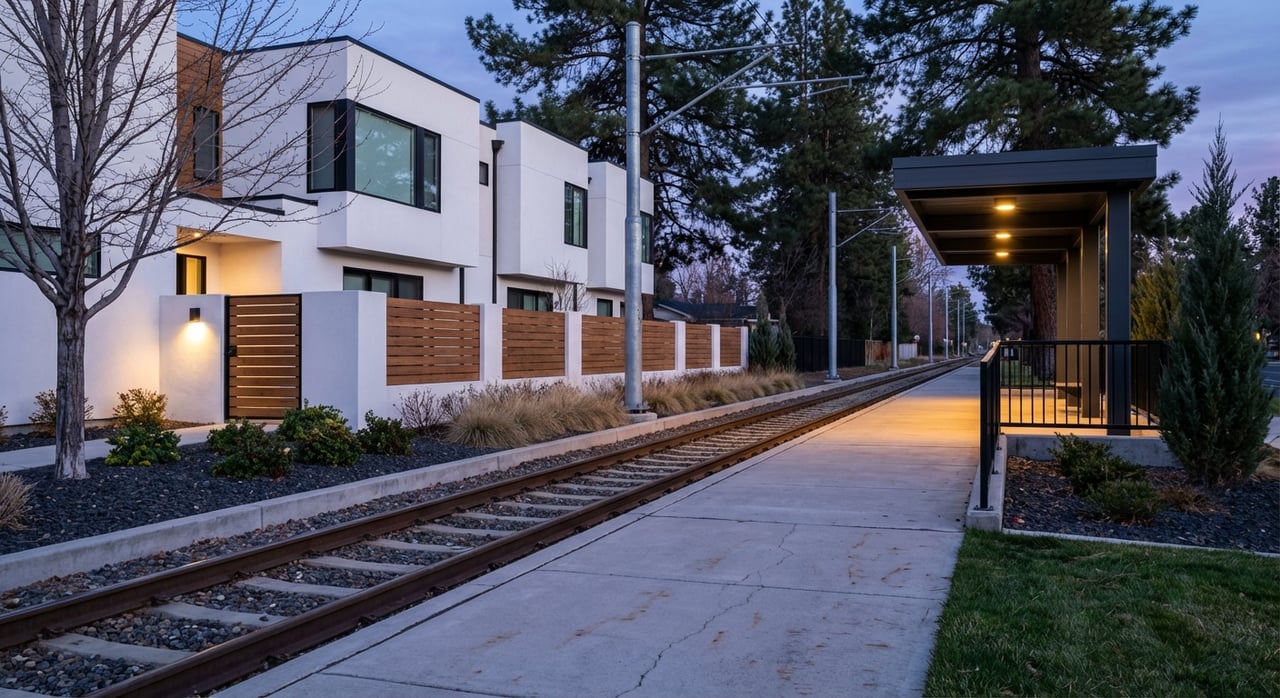
The Regional Transportation District (RTD) connects Downtown Denver to neighborhoods and suburbs via bus and rail. Union Station is the main hub, making transfers straightforward if you live nearby. The RTD rail network includes the A Line to Denver International Airport, which is a valuable perk if you travel often. Frequency and travel times vary by route and time of day, so check schedules for your commute.
Bike routes and micromobility
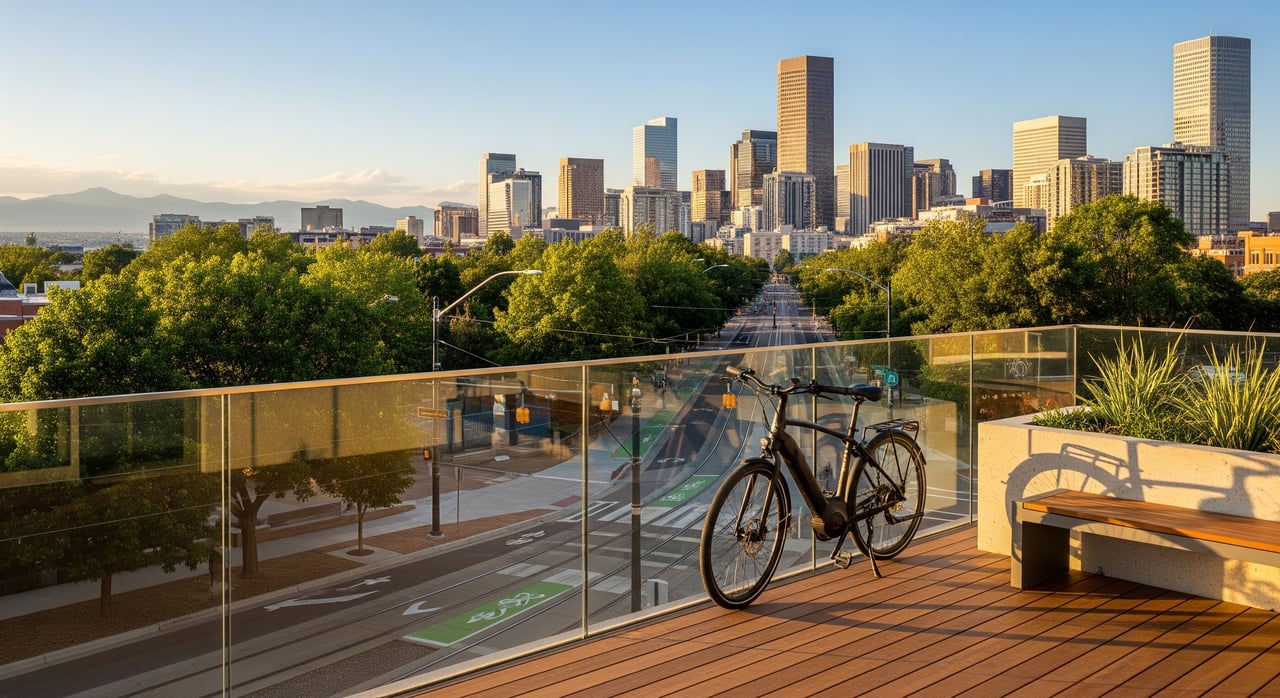
Two regional trails, the Cherry Creek Trail and the South Platte River Trail, give you off-street routes for commuting and recreation. On-street biking is improving as the city adds more protected and painted lanes in and around downtown. You will see docked and dockless bike-share along with e-scooters, which help with first-and-last-mile trips. In winter, many residents still ride with lights and proper tires, though snow and ice can limit comfort for some.
Ride-hail and car access
Ride-hail services and taxis are widely available downtown, especially during nights out or off-peak hours. For occasional car needs, carshare and short-term rentals can fill the gap for big errands, furniture moves, or mountain weekends. Many buildings also offer guest parking or valet options to support short-term car use.
Daily life without a car
Living car-free downtown works best when you map your weekly routines. If your home is near Union Station, the 16th Street Mall, or LoDo, you can often walk to groceries, coffee, gyms, and pharmacies. In some blocks, you’ll rely more on smaller markets and delivery. Your exact address and travel habits will shape how car-free you can be.
Groceries and food
Downtown has a mix of supermarkets, specialty markets, and smaller stores. Some areas near Union Station and LoDo have easier access to full-size grocers, while other blocks rely on smaller markets and delivery. Seasonal farmers markets pop up around Union Station and nearby neighborhoods, which adds variety and convenience.
Food delivery is common and pairs well with a car-free routine. Many residents combine weekly in-person shopping with delivery for heavier items.
Errands, health, and services
You’ll find dry cleaners, banks, gyms, salons, and shipping services clustered along major corridors like the 16th Street Mall and LoDo. Primary care and urgent care options are available in and near the core, while major hospitals are reachable by transit or short ride-hail trips. If you have frequent medical appointments in suburban locations, plan for transit transfers or occasional car access.
Parks, trails, and culture
Civic Center Park, Commons Park, and Confluence Park are your downtown green spaces, connected to riverfront trails that extend well beyond the core. Cultural spots like museums, theaters, and concert venues are concentrated downtown, so you can often walk or take a short shuttle trip for an evening out. It’s easy to build an active, car-free lifestyle around these amenities.
Housing and costs for car-free living
Downtown inventory includes high-rise condos, newer apartment towers, and loft conversions. If you plan to live car-free, building features can make everyday life smoother and safer. Focus on storage, delivery handling, and bike-friendly details.
Amenities to look for
- Secure, covered bike storage and e-bike charging options
- Package rooms and clear delivery acceptance policies
- In-building laundry or easy access to laundry service
- On-site maintenance and staffed or controlled access entry
- Guest parking or valet for visitors and short-term car rentals
- Bike repair stations and, if available, showers or lockers
Parking choices and savings
Downtown housing often carries a premium for location and amenities. Parking can also be an extra monthly cost if not included in rent or HOA dues. Some residents choose parking-free options to lower costs, then allocate part of the savings to ride-hail, carshare, or rentals when needed. Your net savings depend on what you would otherwise spend on car payments, insurance, fuel, maintenance, and parking.
Weather, seasons, and safety
Denver’s semi-arid, high-altitude climate brings sunny summers and snowy winters. Snow and ice can reduce walkability and biking comfort, especially during freeze-thaw cycles. The city focuses on clearing major routes, but conditions vary by block and time.
Winter strategies
Layer up, wear good footwear, and consider traction aids during snow and ice. If you bike, use lights and winter-ready tires and plan routes on well-cleared corridors. Monitor forecasts from NWS Denver/Boulder and allow extra time for trips after storms.
Personal security basics
As in many city centers, property crime can occur in public spaces and on transit. Choose well-lit, active routes at night and use secure bike storage. Ask about your building’s access controls and on-site staff. For block-level trends, review Denver Police data and adjust routines as needed.
Is car-free realistic for you?
A car-free life downtown is realistic for many single professionals and couples who work in or near the core and travel by car infrequently. Households with frequent mountain trips, lots of gear, or small children may still prefer at least occasional car access. The key is matching your address and building to your daily needs.
Downtown professional
If you work near Union Station, LoDo, or the Civic Center, you can likely walk, shuttle, or bike most days. Use transit or scooters for crosstown trips and ride-hail for late nights. For airport travel, take rail from Union Station.
Frequent mountain trips
Go car-free most days, then rent or use carshare for weekend mountain drives or heavy errands. Many buildings support short-term parking and loading zones. If you go to the mountains weekly, you might keep a car and still enjoy reduced daily driving downtown.
Households with kids
A car-free setup can work with planning, but hauling strollers and gear is easier with occasional car access. Consider buildings with elevators, storage, and good delivery handling. Proximity to parks and clinics helps, and you can mix transit with ride-hail as needed.
Apartment-search checklist
Use this quick list to evaluate addresses and buildings through a car-free lens:
- Proximity: walking time to grocery, transit stops, and your workplace
- Transit access: nearest RTD stops, routes to Union Station, frequency at commute times
- Bike facilities: secure and covered storage, e-bike charging, showers/lockers
- Building amenities: package room, delivery policies, in-building maintenance, laundry
- Parking policy: optional parking, guest parking, valet, loading zones for movers and deliveries
- Neighborhood micro-amenities: grocery, pharmacy, bank, clinic, coffee shop, and park within a 5–10 minute walk
- Safety and security: secure access, on-site staff, and review of local crime trends
- Seasonal readiness: who clears sidewalks, and nearby snow management practices
Airport and regional trips
If you fly often, living near Union Station is a major advantage. The RTD rail network includes the A Line to Denver International Airport with scheduled frequent service. For regional trips that are not convenient by transit, use carshare or short-term rentals. Downtown’s density makes pick-ups and drop-offs straightforward.
Policy and what’s next
The city continues to expand bike and pedestrian networks through initiatives like Denver Moves and active-transportation projects. Keep an eye on updates from the City and County of Denver for infrastructure changes, micromobility rules, and snow policies. RTD sometimes adjusts routes and frequencies, and Union Station remains the core of downtown connections. For neighborhood-level trends and amenities, the Downtown Denver Partnership is another useful resource.
Living car-free in Downtown Denver is less about sacrificing convenience and more about choosing a lifestyle that fits the city’s walkable core. With the 16th Street Mall, Union Station, RTD routes, bike trails, and everyday essentials close by, many residents do daily life without turning a key. If you want help identifying the right building and block for your routine, reach out to Jesse Dixon for local guidance and a smooth search.
FAQs
Is a car-free lifestyle realistic in Downtown Denver?
- Yes for many single professionals and couples who work in or near downtown and do not need frequent long-distance car trips. Your exact address and habits matter.
How do I handle groceries without a car?
- Combine nearby markets with grocery delivery for heavy items, and plan a weekly walk or ride for in-person shopping.
Is biking practical year-round in Denver?
- Many residents bike year-round with lights and winter tires, but snow and ice can reduce comfort and safety for some days each season.
What about commuting to the suburbs?
- Some suburbs are well served by RTD bus or rail; others require transfers or a car. Check routes and travel times from your specific address.
How easy is airport access from downtown?
- The A Line runs from Union Station to Denver International Airport via the RTD rail network, making air travel convenient without a car.
Will I save money by going car-free?
- Many residents reduce costs by skipping car payments, insurance, fuel, maintenance, and parking, then using ride-hail or rentals as needed.
Are all downtown blocks equally walkable?
- No. Core areas near the 16th Street Mall and Union Station are highly walkable, while some edge blocks rely more on smaller markets and delivery.